News
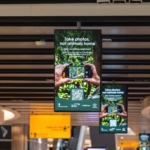
Take photos, not wildlife home: Let’s keep animals in the wild
August 2026
As millions of people prepare to travel abroad this summer on holiday, decisions about what to buy, carry or bring home can have enormous consequences for wildlife around the world.
The illicit trade of animals and animal products is worth billions a year. While much of it is driven by organised criminal networks, demand is often fuelled by travellers purchasing souvenirs made from protected plants and animals – items that may be illegal, require permits to be imported, and can be seized by authorities on return. We are losing species faster than they can be replaced, which then disrupts the entire web of life and balance upon which we all depend.
High risk products to avoid vary depending on the area, but include:
Each year, tourist souvenirs made from endangered or protected species are seized by airport customs agents. These animals are often protected by national laws or have restricted trade under the United Nations Convention on International Trade in Endangered Species of Fauna and Flora (CITES). This regulates the international trade of around 35,000 species of animals and plants and has been signed by over 180 countries.
Before travelling, people are encouraged to:
Take photos, not animals home: removing plants or animals can damage ecosystems and may lead to fines or criminal penalties. Leave natural items as you find them and preserve the environment for wildlife.
Ask before you buy: understand what products are made from, where they come from and whether permits are required. But, when in doubt – be on the safe side and do not buy.
Demand legal documentation. Use online global tools like Species + and WildScan to check if a species is restricted.
Avoid the unusual or bizarre: items that seem extraordinary may come at a high cost to wildlife. Avoid ordering exotic dishes out of curiosity, like shark fin soup, whale meat, turtle eggs, snake wine or bushmeat.
If you have to buy, think local alternatives: Opt for handmade textiles, pottery, or cultural experiences like cooking classes instead of animal-based trinkets
Species+ (official CITES/CMS species database, run by UNEP-WCMC): https://www.speciesplus.net
WildScan (species ID app for spotting wildlife trade products, developed by Freeland): https://www.freeland.org/wildscan.html — also on the App Store and Google Play
Report any crimes you see: for safety reasons it’s not advisable to confront a seller directly, but you can report suspected evidence of illegal wildlife trade to the National Wildlife Crime Unit NWCU, or when abroad, through Crime Stoppers International, a United for Wildlife Partner.
Be a part of the solution, not the problem: as a traveller you can support conservation efforts and local communities by supporting local crafts, responsible tourism and conservation-led initiatives.